
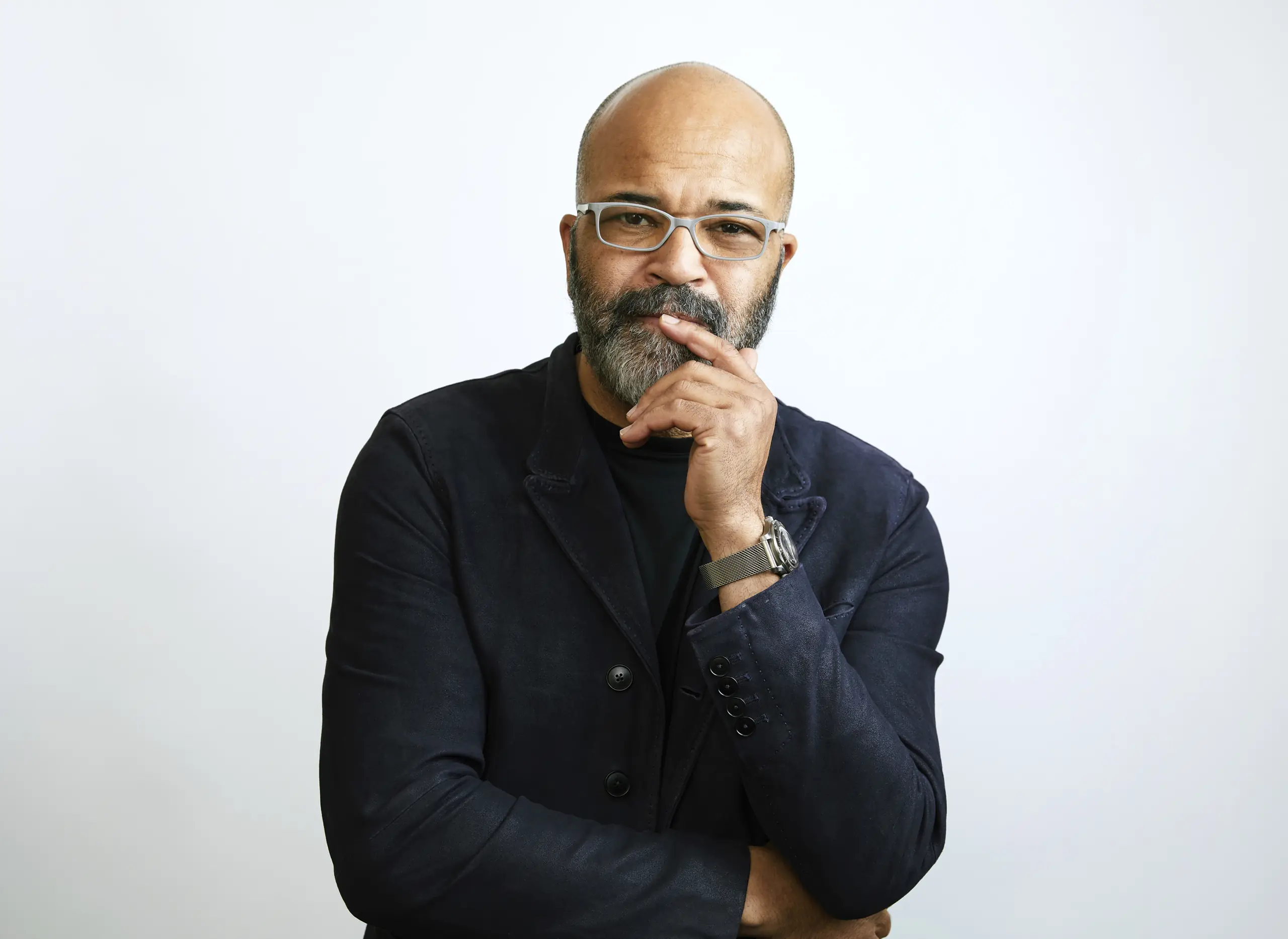
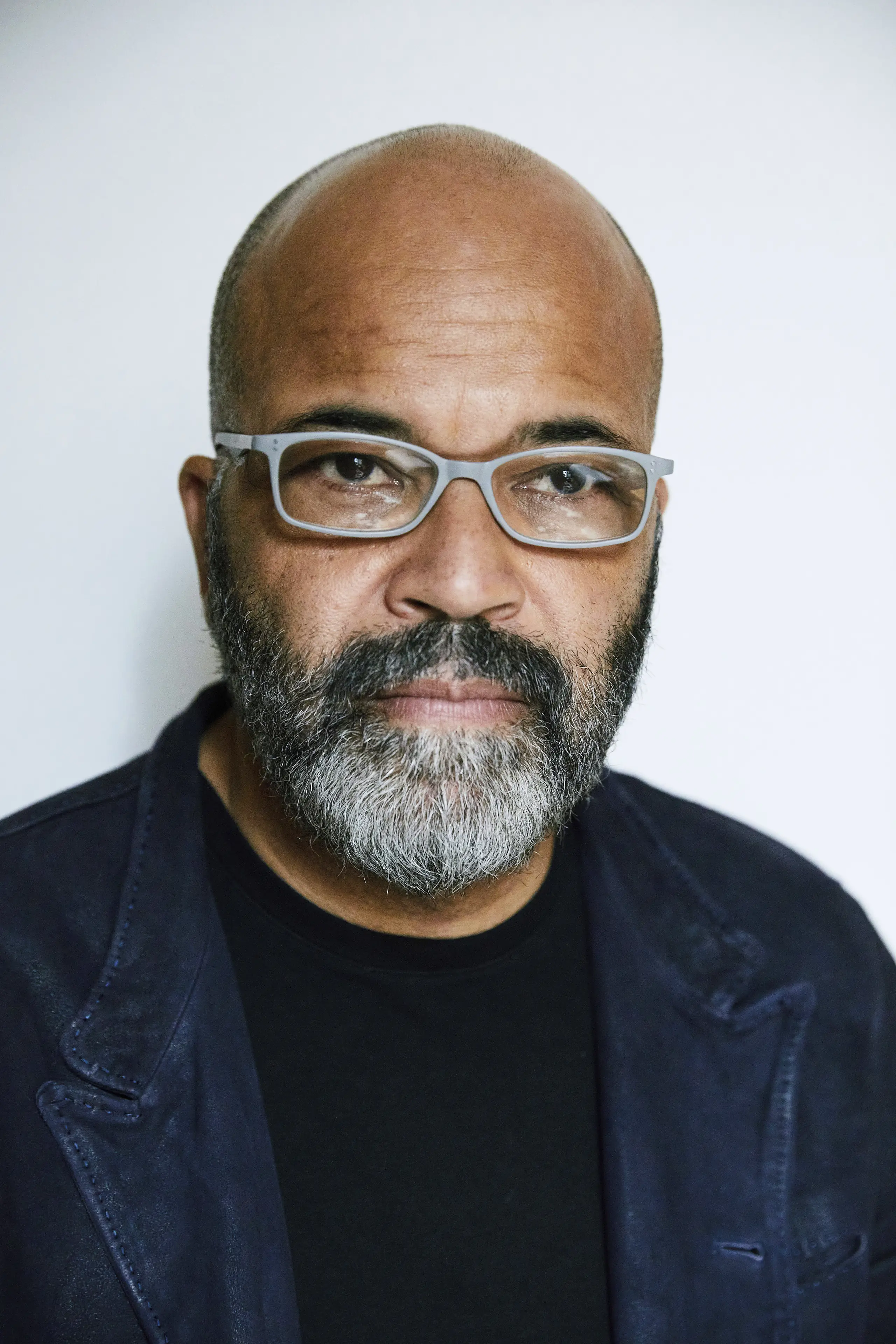
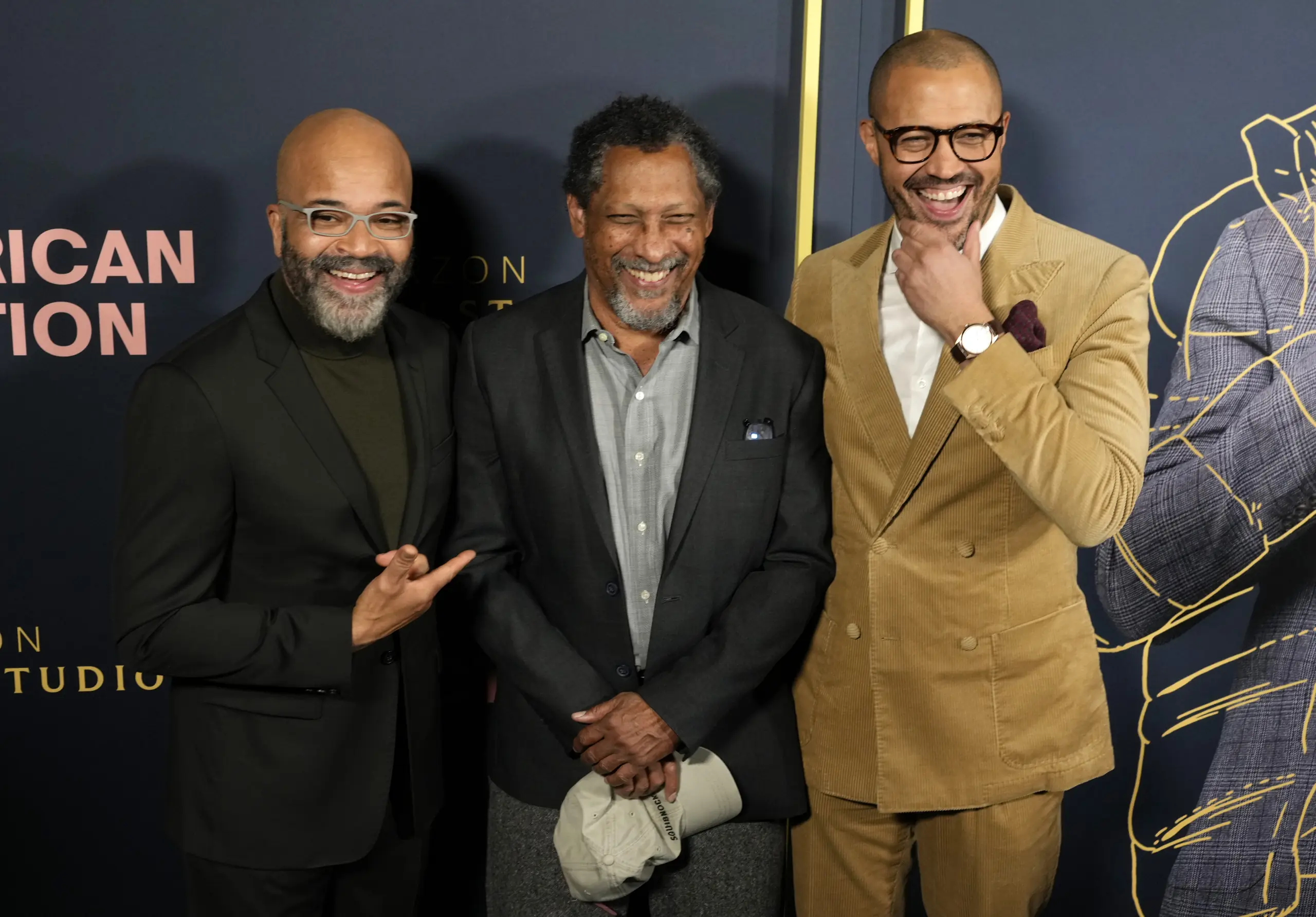
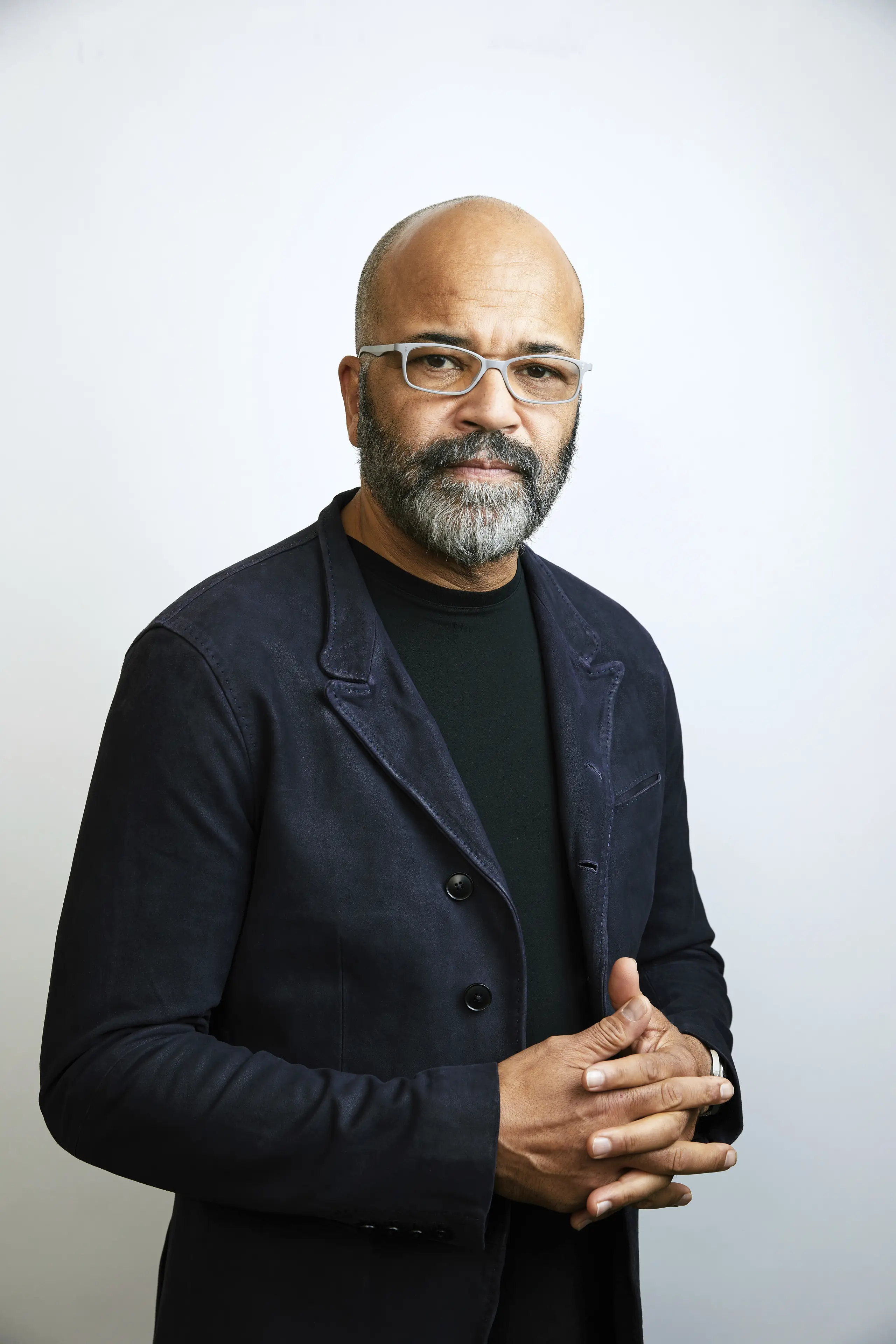

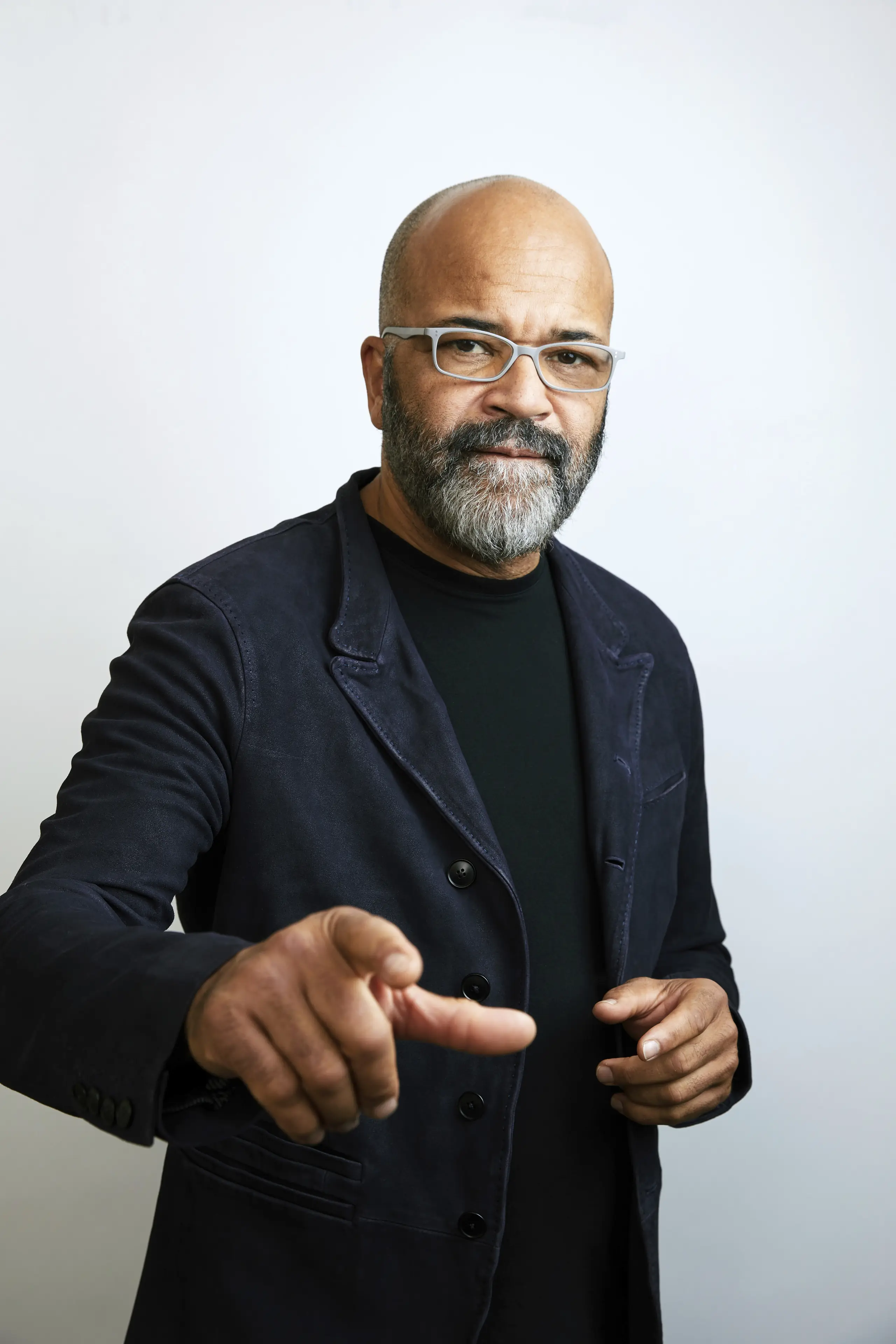
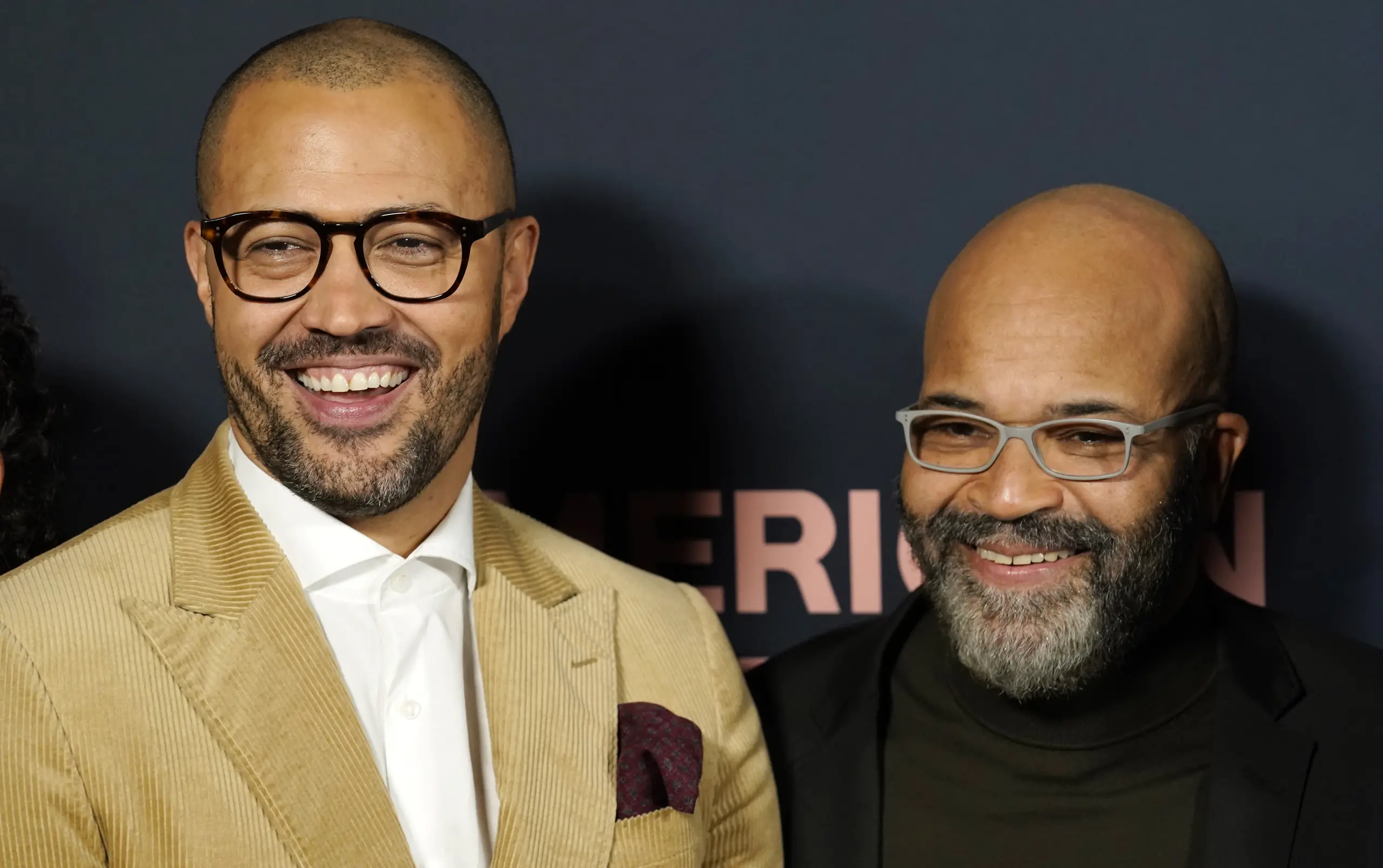
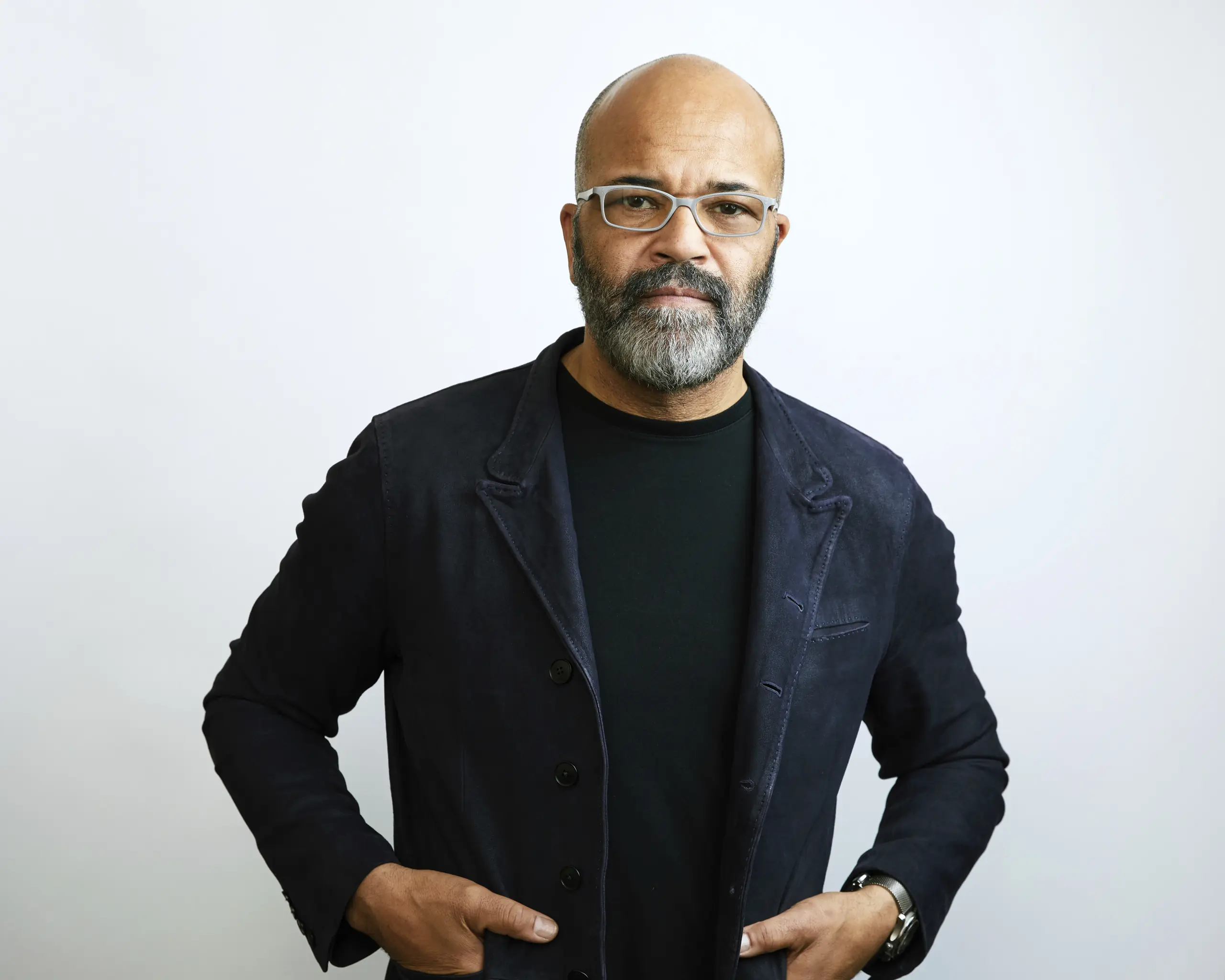
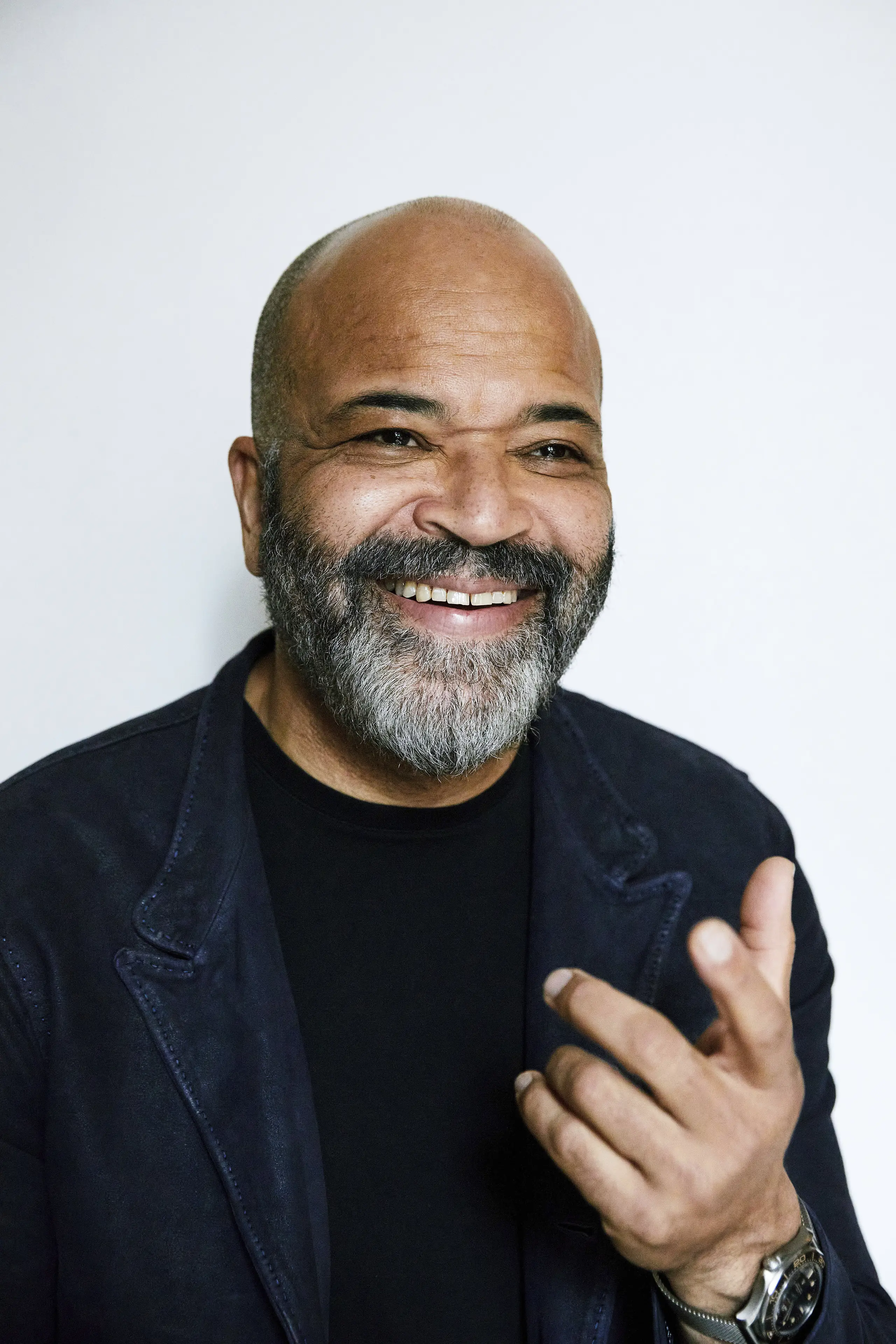
NEW YORK – Jeffrey Wright has played Jean-Michel Basquiat, Martin Luther King Jr. and Muddy Waters. He’s played Colin Powell, a Dominican drug kingpin, Batman's Commissioner Gordon and a longtime inmate nearing release. He’s played Bill Murray's neighbor, a Civil War-era former slave, James Bond's Felix Leiter, the nurse Belize in “Angels in America" and an android-human in “Westworld.”
Across an expansive array of roles both small and large for more than two decades, Wright has been among the most malleable of actors, able to transform endlessly while still maintaining a singular, rigorously grounded screen presence. Is there anyone he can't play?
Recommended Videos
“Dennis Hopper said in ‘Easy Rider,’ ‘If you name it, I’ll throw rocks at it,’” Wright says.
Shape-shifting has been Wright’s aspiration as a performer since, as a young actor, he was naturally drawn to performers like Gary Oldman, Dustin Hoffman and Peter Sellers. He admired their dexterity going from character to character.
“I thought that was the way to go about it,” says Wright. “It seemed like it required some skill that was worth learning.”
Even just in 2023, a spectrum of Wright’s range is on display. He’s the pastor, politician and Civil Rights activist Adam Clayton Powell Jr. in George C. Wolfe’s “Rustin” and the inspiring military general of Wes Anderson’s “Asteroid City.”
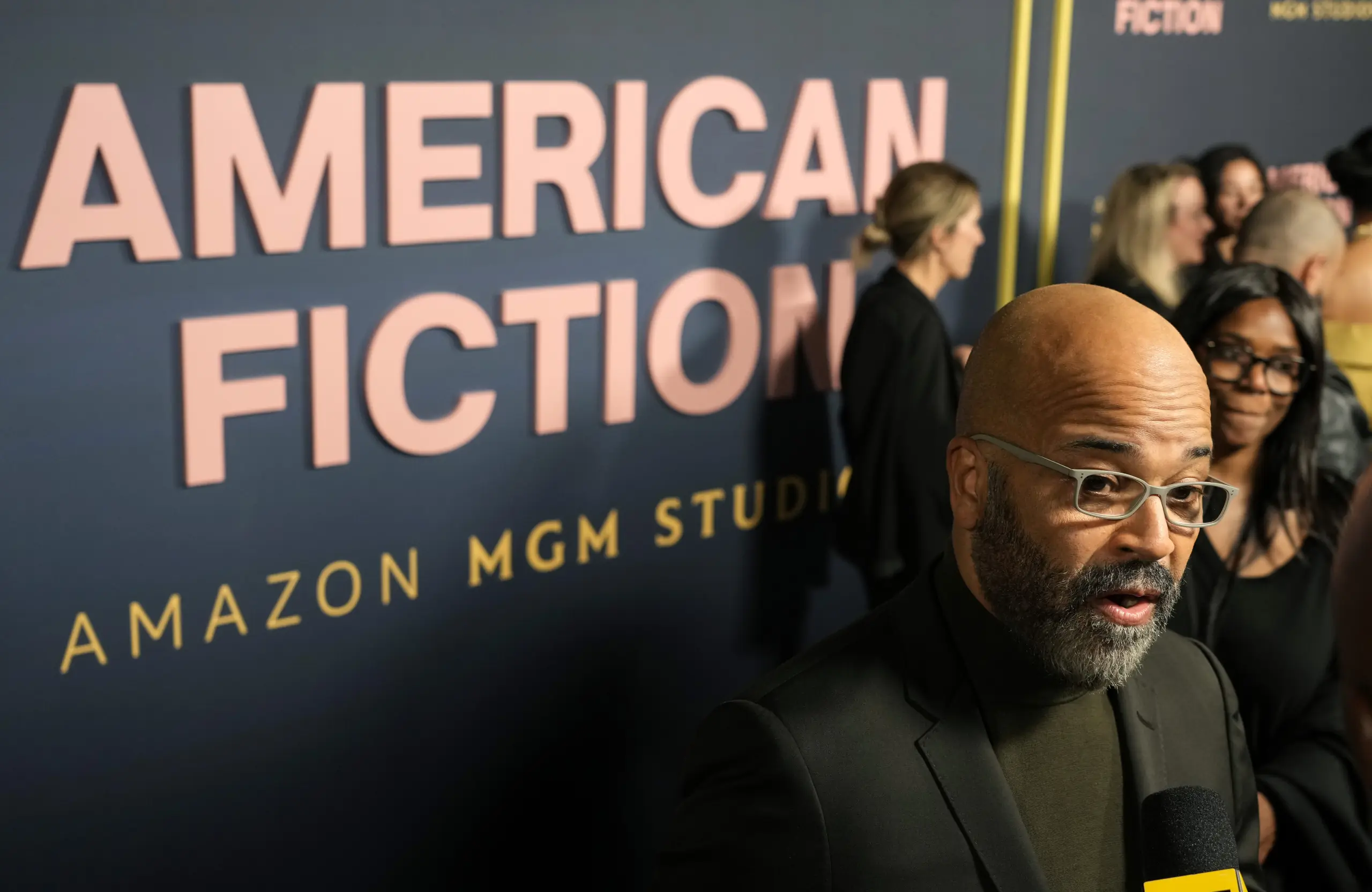
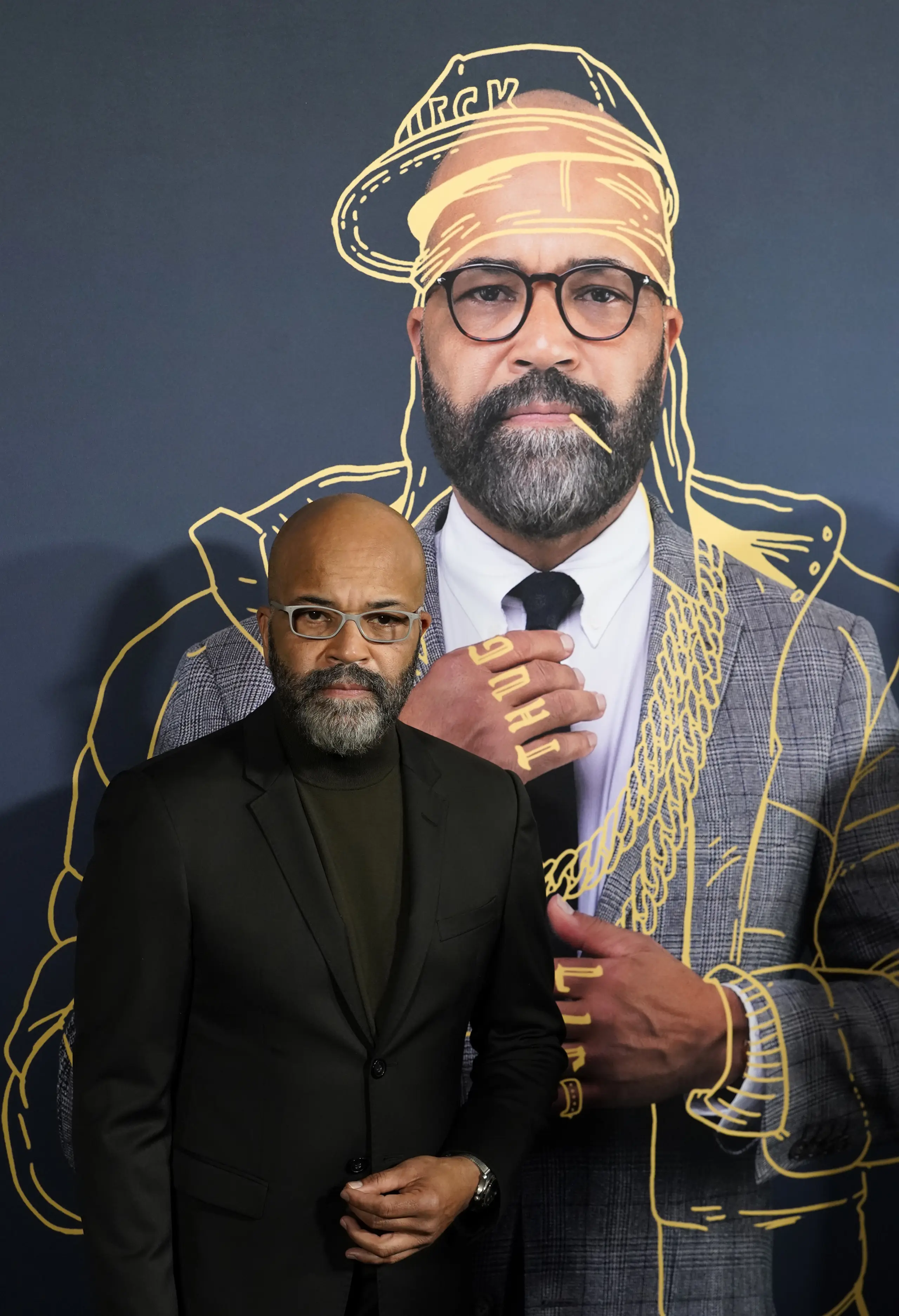
But it’s Cord Jefferson’s “American Fiction” in which Wright gives one of the best performances of his career. And ironically, it’s the role that required less metamorphosis than any ever has for Wright.
“There’s a lot that’s pretty close to me in this film. It’s probably the performance that I could squeeze myself into with the least friction,” Wright said in a recent interview. “My daughter saw the film last night and she said, ‘There’s so much of your humor in this.’”
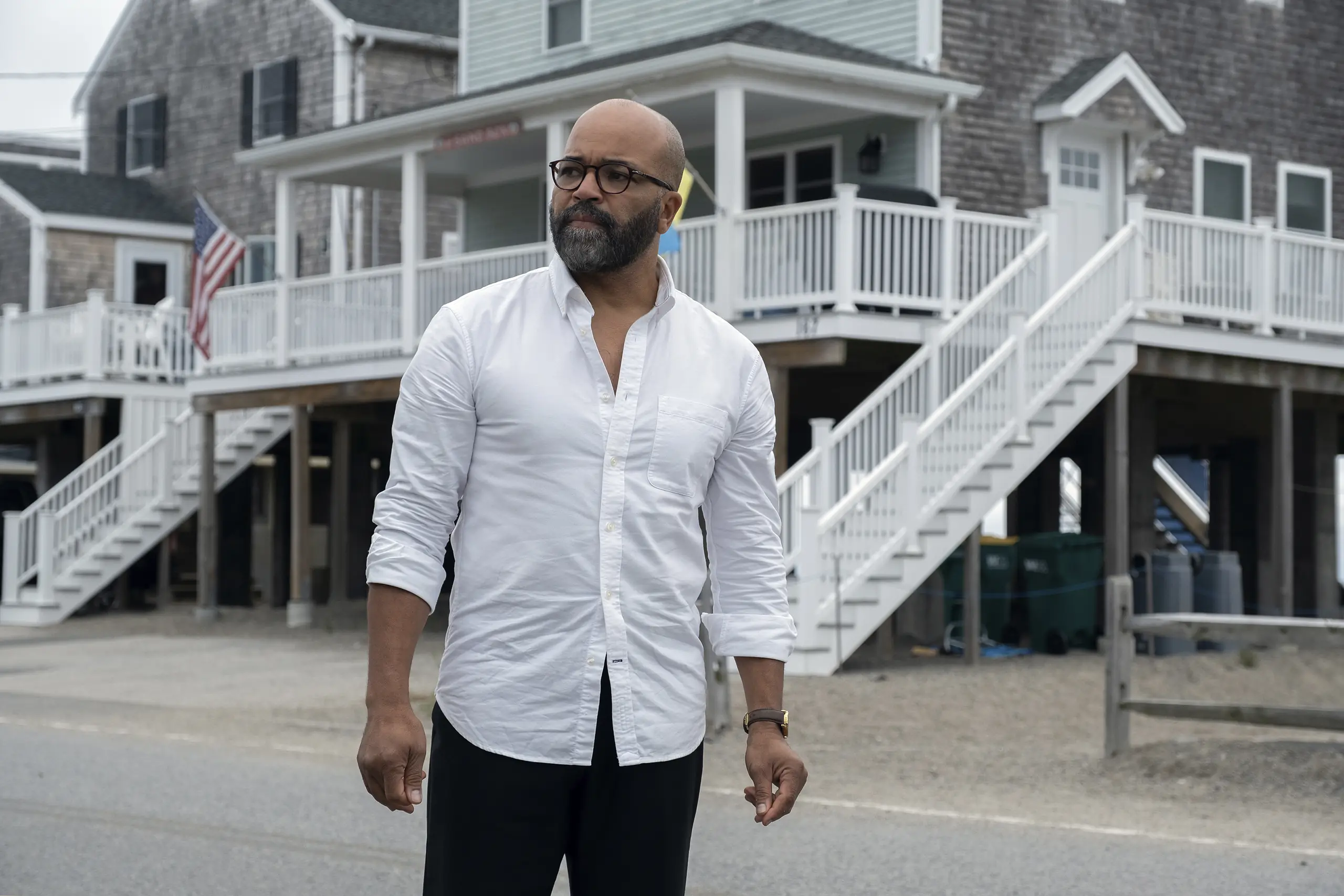
In “American Fiction,” Wright stars as Thelonious “Monk” Ellison, a frustrated and disillusioned author and college professor resentful of his his books being pigeonholed as African American fiction. In a drunken haze he sarcastically pens a book that plays up Black stereotypes (“My Pafology,” under the pseudonym Stagg R. Leigh), yet it becomes an unironic sensation with white publishing executives.
It’s a deft satire of race and identity, adapted from Percival Everett’s 2001 novel “Erasure,” that Jefferson, in his directorial debut, surrounds with a rich, humanistic comedy of midlife crises and family dramas. Monk’s mother (Leslie Uggams) is aging, his sister (Tracee Ellis Ross) dies unexpectedly and his brother (Sterling K. Brown) is coming out.
“I saw the film last week in Brooklyn with an audience for the first time. And I looked at the screen at one point at this family and the extended family around it, and I said, ‘Wow, what beautiful people,’” Wright says. “They’re kind of extraordinary in their ordinariness. It’s a family like any other family, it just happens to be inhabited by Black folks.”
Wright, a longtime Brooklynite, recently met a reporter at a midtown hotel a few hours after he was nominated for a Golden Globe. A morning feast was laid out when a waiter entered with another plate. “More bacon?” said Wright, glancing at the thick-cut bacon already on the table. “Oh, regular bacon. The healthy stuff.”
Wright has won a Tony, an Emmy and a Globe (all for “Angels in America”), among many other accolades. But a best actor Academy Award nomination for “American Fiction” — which many are predicting — would be his first Oscar nod.
“I don’t think it’s totally healthy to think about these things too much but they’re there, so one does. I guess if they’re handing these things out, yeah, sure, we’ll take them,” Wright says. “All in all, it’s pretty cool, I reckon.”
Jefferson, a veteran TV writer and former Gawker editor, wrote the screenplay to “American Fiction” with Wright in his mind. When he later met the actor for lunch to discuss the project, Jefferson confessed there was “no plan B.”
“In thinking about him so early on the process, it's dangerous because there's a chance he’s going to say no and then I’d be heartbroken,” Jefferson says. “But I just really wanted to take a big swing. I knew he would be excellent in the role. I’ve always thought that Jeffrey has the capacity to be very funny. He’s known as this excellent dramatic actor, but I also think he’s a very funny guy.”
Directors have occasionally written with Wright in mind; Anderson did for their first film together, “The French Dispatch.” But that's rare.
“So I’ve got to make myself available in a lot of different spaces," Wright says. "Being flexible as an actor has served me well.”
Yet there was something different about “American Fiction.” Wright is used to thinking that he’s bound to be fired from every project. (“It keeps the blood running,” he says, grinning.) But “American Fiction” felt uniquely comfortable.
“My perspective doesn’t entirely align with Monk’s, but certainly the frustrations that he encounters we share. What I was really drawn to more so than the social commentary elements were the family dynamics, particularly the relationship with the mother,” says Wright, whose mother died the year before he read the script. “There might be an impression of this film being comedic and satirical but there’s a deep vein of simple humanness inside of it that I appreciated.”
Wright doesn’t quite ascribe to Monk’s ideas of racial identity. He describes his own outlook falling somewhere in between Monk’s and that of Sinatra Golden, a rival, level-headed author in the film played by Issa Rae.
“One thing that Cord and I talked about was that Monk not be perceived as spouting the gospel, that he be flawed. We didn’t want to make this film a celebration of the talented tenth,” says Wright. “We wanted to be very careful that we, perhaps not he, not be perceived as classist. There’s some class arrogance within Monk that I try seriously to avoid.”
Wright, 58, was raised by his mother and aunt in Washington D.C. (His father died when he was young.) They were, he says, the first college graduates in their family. Just as formative to Wright was his grandfather, a Virginia famer and waterman Wright describes as representing to him “what a man was to me in this world.”
“I’ve done very well but a generation back, it’s a much humbler way of life,” Wright says. “So I wanted to make sure our overall story was evenhanded and that Monk might have been in need of some evolution in his perspective.”
Wright attended private school, studied political science at Amherst College and briefly sought an MFA at New York University before leaving to pursue acting full time.
“I had the opportunity to walk through many types of rooms, in a variety of stations,” Wright says. “And it’s always been important for me to feel comfortable in any of those rooms but maintain the common touch.”
Steady as Wright’s ubiquity has been in film and television, his path, like Monk’s, has had its disappointments and sudden flushes of success. The births of his son (in 2001) and daughter (in 2005) diverted his focus. His role in Michael Mann’s “Ali” also led to a prolonged African excursion trying to launch a gold exploration company in war-torn Sierra Leone.
“I at one point became kind of disillusioned by this business that I’m in," Wright says. "There were some strange experiences that didn’t match what I envisioned for this work. And so I kind of drifted away.”
Wright never stopped working, but he only meaningfully reconnected with acting after finding similarly minded collaborators. To him, working with filmmakers like Jefferson has made all the difference.
“It’s nice work if you can get, but it can be a mess, too, if you get it,” Wright says, laughing. “It all comes down to who you’re working with.”
___
Follow AP Film Writer Jake Coyle at: http://twitter.com/jakecoyleAP