
SAN ANTONIO – Padding along sidewalks and alleyways, thousands of loose dogs are estimated to be roaming San Antonio every day.
But how many, exactly?
The Southwest Research Institute is preparing to use cell phones and AI technology on behalf of the city’s Animal Care Services department to try and figure it out.
SwRI’s Intelligent Systems Division plans to use window-mounted cell phones to survey a selection of areas around the city. The phones will record five-second video clips through an app that will determine whether the clips have captured a dog in it or not.
“We’ve kind of tuned it to be a little permissive. If it thinks it’s a dog: store that video and bring it back,” explained Mike Koets, a staff engineer leading the project.
“But then, yeah, we do have additional tools that run on a Windows desktop to further analyze the videos, give us a better automated sense of it, and also allow human review of those to make sure they’re accurate,” Koets said.
The “computer vision” technology being used to determine if the phone has recorded a dog, cat, cyclist, or a car falls under the umbrella of artificial intelligence.
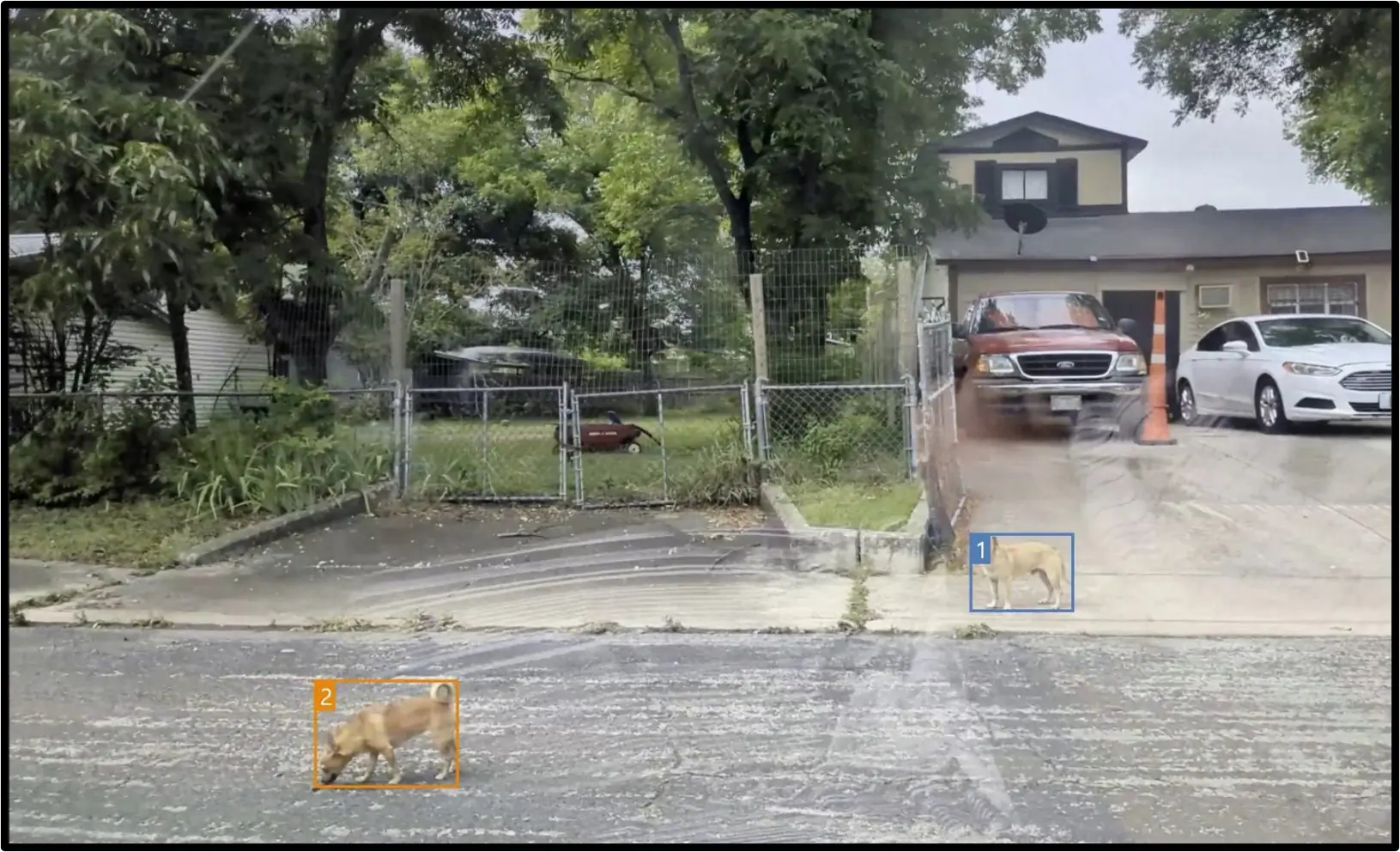
However, Koets says they are “using some of the simpler, earlier AI technologies around computer vision. It is a neural network. But it’s not the kind of power-hungry, large data center AI that is so much in the news right now.”
He explained the algorithms at the core of the system had been trained on a large number of images.
“And through an iterative process of software development, they were literally trained what to recognize so that now they’re pretty good at it,” he said.
In some instances, the system could end up being better than just a set of eyes.
Koets said when SwRI was developing the technology, they tried counting both by hand and leaving the system running.
“And we had a number of cases where it brought back data points. We were like, ‘but there was no dog there.’ And yeah, sure enough, look at the video and it is there,” he said.
SwRI is doing this as part of a roughly $99,000 deal with the city’s Animal Care Services department.
“This study gives us another tool to better understand where we are seeing unrestrained dogs while also supporting our broader work to protect the health and safety of people and pets in San Antonio,” ACS Director Jon Gary said in a news release. “Ultimately, this study and the data we get from it will help promote responsible pet care and strengthen community connection.”
ACS conducted an Unrestrained Dog Study in FY 2019 by using volunteers to count dogs in a selection of areas around the city.
From the 139 dogs that were observed in an initial set of surveys, the original study’s authors estimated there were 34,636 unrestrained dogs at any given time across the city.
According to a news release, SwRI plans to deploy its system in “the same study locations, spread across 32 areas, used in the 2019 survey.”
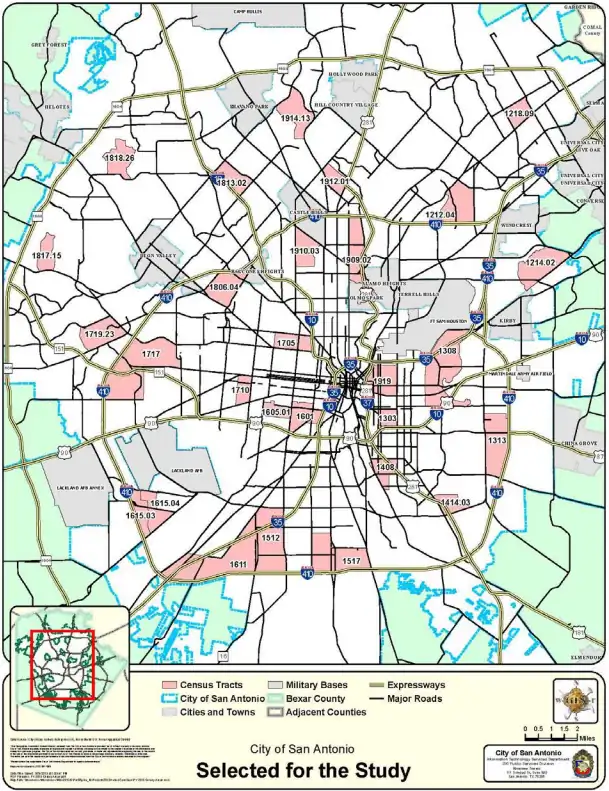
SwRI said it plans on replicating the statistical analysis from 2019, but it’s open to other options and will also provide ACS with the raw data so they aren’t locked into the conclusions.
It’s not the first time the city has tried to update the initial study. The city also partnered with the University of Texas at San Antonio and St. Mary’s University for a study that started in September 2024, an ACS spokeswoman confirmed
However, the department said in a statement there were issues that kept it from being a “statistically reliable data set.”
“The Roaming Dog study is intended to capture a consistent and repeatable approach for future analysis. Last year’s study revealed significant gaps in data collection as well as volunteer experience levels. There were even instances in which observation sheets were returned blank from areas historically known to have an overpopulation of dogs. These inconsistencies, coupled with the limitations of manual record keeping, prevented researchers from developing a statistically reliable data set. Rather than rely on incomplete or potentially misleading information, Animal Care Services is pursuing a different approach through Southwest Research Institute (SwRI) and their new scientific advances. The goal is not to ‘count dogs’ per se but to use machine vision and AI to measure the effectiveness of ongoing SAACS efforts and to strategically direct resources and services where roaming dogs still present an issue.”
ACS
Though the 2019 study had also used manual counts, the spokeswoman explained in follow-up emails that animal welfare volunteers and staff participated in the original study, whereas there was no staff used in the most recent attempt, which was mostly performed by student volunteers.
Noting that “animal behavior comes into play where dogs ‘hide’ or stay in neighborhoods,” the spokeswoman suggested “the 2019 volunteers perhaps had a better understanding of where to look for dogs.”
SwRI plans to do most of its data collection in November, when dogs are expected to be more active in the colder weather and after Halloween decorations that could throw off its tech have been taken down.
ACS expects it will have the results of the study by the end of the year.
Read also:

