
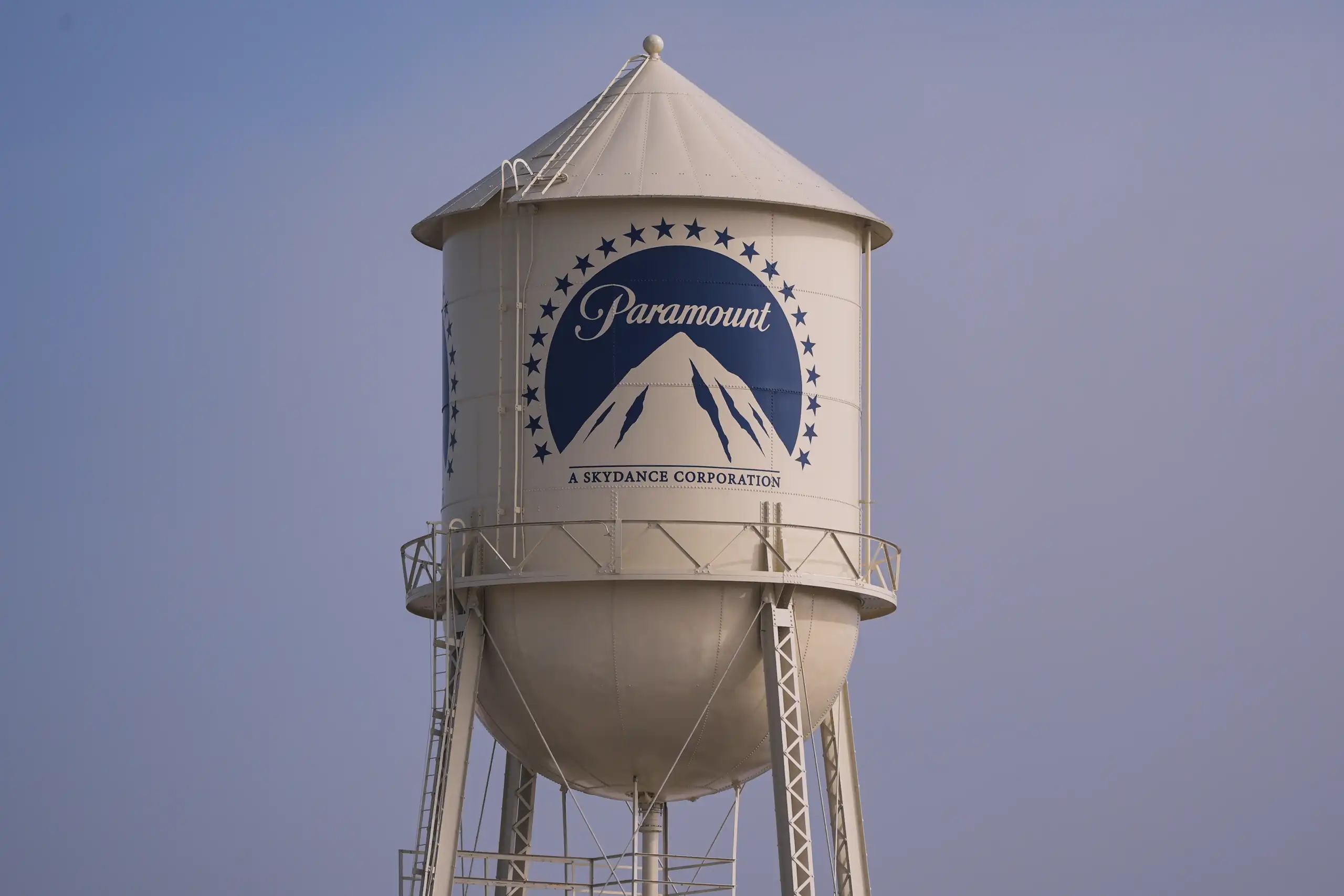
CHICAGO – A federal judge has now granted Paramount’s settlement agreement with 12 states that sued over the company’s takeover of Warner Bros. Discovery, allowing the companies to soon close their $81 billion mega merger.
In a Wednesday order, U.S. District Judge Araceli Martínez-Olguín ruled that the proposed consent decree was a “fair, reasonable, and good faith approach to address the competitive harms” alleged by the states' lawsuit. Paramount previously called the antitrust challenge the last hurdle ahead of closing its Warner merger, and signaled that it aims to close its Warner acquisition as soon as early October.
Recommended Videos
Shortly after Martínez-Olguín's ruling on Wednesday afternoon, the company announced that Ynon Kreiz — current chief executive at toy giant Mattel — will join Paramount on Oct. 5 and serve as co-CEO alongside David Ellison of the combined company.
A Paramount-Warner marriage will bring together two of Hollywood’s last five legacy studios. HBO Max, a library full of titles including “Harry Potter” and cable networks such as CNN will also find themselves under the same roof with CBS, the likes of the “Top Gun” franchise and the Paramount+ streaming service.
Top prosecutors from 12 states — led by California Attorney General Rob Bonta — sued in July with an initial goal of blocking the merger altogether. They alleged a Paramount-Warner combo would “extinguish competition” and lead to fewer choices for consumers, particularly movie theatergoers and cable customers.
Last week, the states agreed to settle these claims through new commitments from Paramount, including pledges to increase film production in the U.S. over the next five years, commit millions of dollars to a fund aimed at supporting workers displaced by the merger and establish new editorial monitoring of CNN and CBS.
When announcing the deal on Sept. 21, Bonta said the settlement was about “protecting people’s careers, the lives they’ve built here in California, the livelihoods their families rely on,” while maintaining it was not a vote of support for the merger.
Many critics of the tie-up, however, quickly decried the deal as capitulating to corporate pressure and said the proposed terms were too weak. Martínez-Olguín didn't greenlight the terms right away — maintaining at a hearing on Thursday that the court isn’t merely a “rubber stamp” on a settlement of this kind and that she, like many others, still had questions.
The judge granted outside critics of the settlement — including members of the Block The Merger coalition and the League of United Latin American Citizens — a brief window to share their opposition with the court through amicus briefs. She also instructed Paramount and the settling states to respond to a letter from Democratic Sen. Cory Booker, who called for a more thorough review of the deal.
By Wednesday's order, however, she concluded that the hopes for settlement terms to go further "do not rise to the level of legal violations upon which the Court can reject the parties’ negotiated resolution.”
The Block the Merger coalition on Wednesday maintained the settlement was a “toothless” deal.
“Allowing the Paramount Skydance-Warner Bros. Discovery merger to move forward with no meaningful structural remedies will cost jobs, mute creativity, weaken independent journalism, and damage our First Amendment rights,” Block the Merger said in a statement. But, the coalition added, “if there is one discernible benefit to the approval of this corporate takeover, it’s that people are now wide awake and paying attention –- and their anger is not going to fade away."
The Writers Guild of America, which had filed its own suit shortly after the states in July, also reached a settlement agreement with Paramount last week — concluding that it couldn’t continue its legal fight alone.