

ANCHORAGE, Alaska – Nearly every single Alaskan got a financial windfall amounting to more than $3,000 Tuesday, the day the state began distributing payments from Alaska’s investment fund that has been seeded with money from the state’s oil riches.
The payments, officially called the Permanent Fund Dividend or the PFD locally, amounted to $2,622 — the highest amount ever. Alaska lawmakers added $662 as a one-time benefit to help residents with high energy costs.
Recommended Videos
A total of $1.6 billion in direct deposits began hitting bank accounts Tuesday, and checks will arrive later for those who opted for them.
Residents use the money in various ways, from buying big-screen TVs, vehicles or other goods, using it for vacations or putting it in savings or college funds. In rural Alaska, the money can help offset the enormous costs of fuel and food, like $14 for a 12-pack of soda, $4 for a celery bunch and $3 for a small container of Greek yogurt.
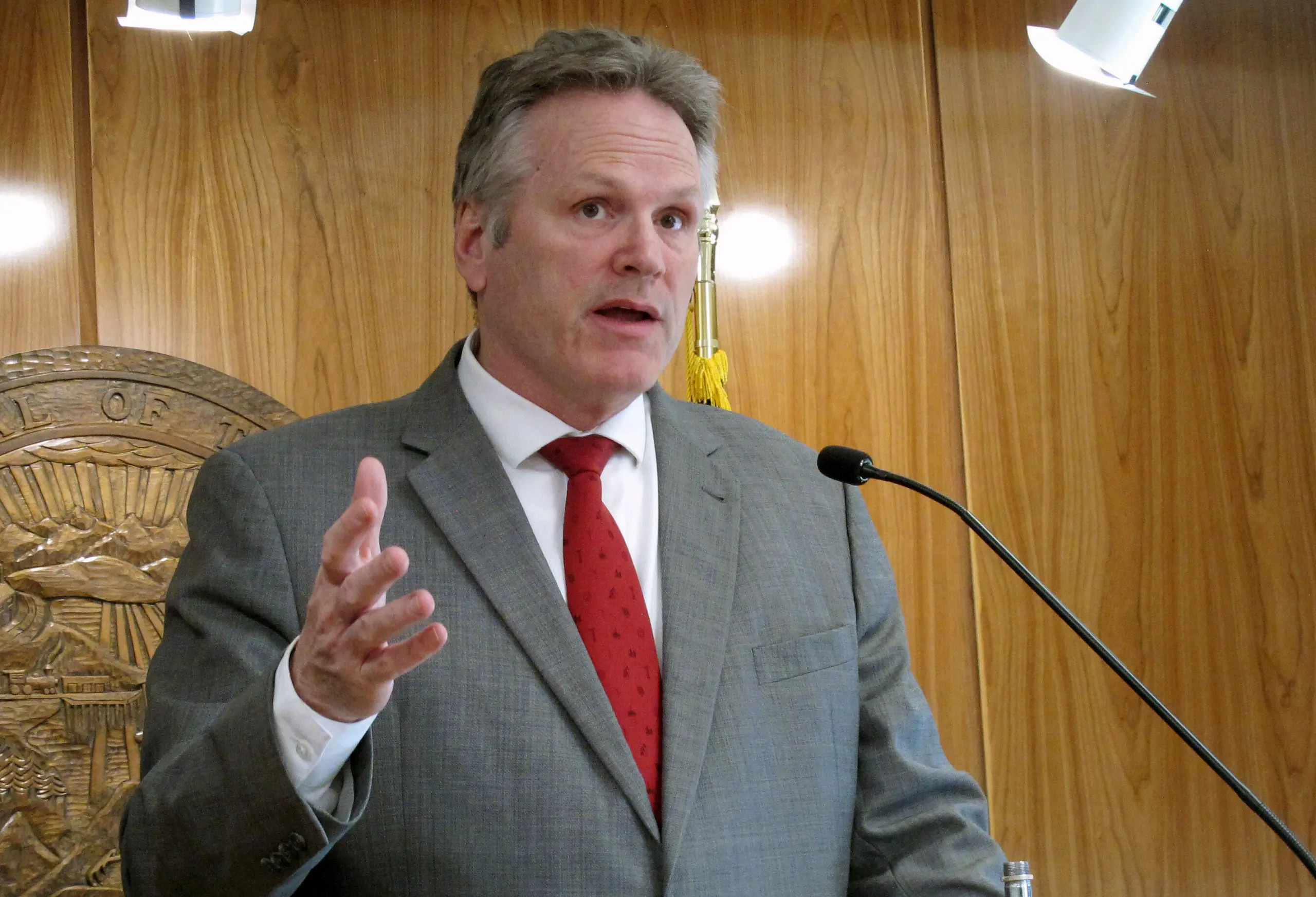
“We’re experiencing record high inflation that we haven’t seen since the first PFD was paid in 1982,” Gov. Mike Dunleavy said in a video. “Alaskans have been bearing the brunt of this inflation from the gas pump to the grocery store, and this year’s PFD will provide much needed relief as we head into winter.”
The timing of the checks couldn’t have come at a better time for those living on the state’s vast western coast, which was devastated last weekend by the remnants of Typhoon Merbok. Damage to homes and infrastructure was widespread along a 1,000 miles (1,609 kilometers) of coastline.
Among the communities experiencing the greatest damage was Nome, the largest city on the coast with about 3,500 residents and known for being the end point of the world’s most famous sled dog race.
Howard Farley, now 90, helped secure Nome as the Iditarod's finish line over 50 years ago. His century-old home was safe from the storm on high ground in Nome, but they did lose about 100 feet (30.48 meters) of frontage and one building at the family’s camp site about 5 miles (8 kilometers) east of town.
“The beach is a lot closer,” he said.
He said the payments — which would be more than $16,000 for a family of five — are much needed.
“Even people that didn’t have damage, with the inflation up here, that’s really, really hitting hard,” he said.
Farley said gas is $7 a gallon and will remain that way until the next shipment arrives next spring because barges can’t deliver once the Bering Sea freezes.
“The price won’t go down like it does in Anchorage and other places because you guys can get deliveries almost any time,” he said.
“What it will mean for a lot of families is that they can break even with the high prices we’re paying,” he said.
The oil-wealth check, which some in Alaska see as an entitlement, typically is derived from the earnings of the nest-egg investment account. The diversified fund was established during construction of the trans-Alaska pipeline in the 1970s and now is worth $73.6 billion.
There is a yearly application process and residency requirements to qualify for a dividend. Dividends traditionally have been paid using earnings from the Alaska Permanent Fund. Lawmakers in 2018 began using fund earnings to also help pay for government and sought to limit how much can be withdrawn from earnings for both purposes. The amount going to the dividend this year represents half the authorized draw.
Residents received the first check, $1,000, in 1982. Amounts have varied over the years, and traditionally were calculated on a five-year rolling average to buffer downturns in the economy.
The smallest check ever was $331 in 1983. The largest before this year’s check was $2,072 in 2015. If someone has collected every check since 1982, it would amount to $47,049.
Mildred Jonathan, 74, and her husband, Alfred, 79, live about 100 miles (161 kilometers) west of the Canadian border in the interior Alaska village of Tanacross.
There will be no frivolous spending when they receive their paper check in October. Instead, the Jonathans’ major purchase will be firewood.
“The wood I’m hoping to get is $1,600, and it’s a 10-cord load,” she said. “I’ll survive the winter if I buy that.”
Snow was already falling on nearby mountains, and temperatures in the Athabascan village during the winter are typically well below zero. “It’s cold, cold, cold,” she said.
Any money the couple have left over will go to a new hot water system, flooring for their home and Christmas gifts for their grandchildren, who want new phones.