
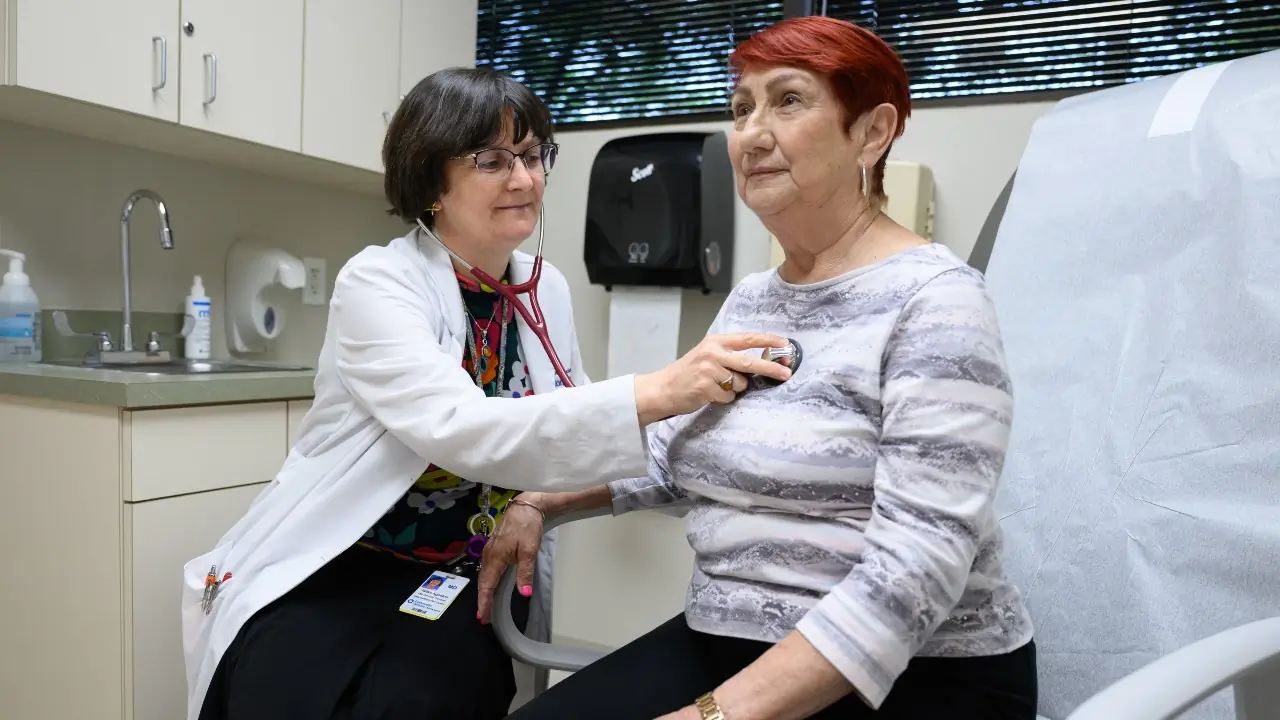
If you search online for signs a person is having a heart attack, you’ll often hear first about the classic symptoms for men: chest discomfort, shortness of breath or shooting pains in the arm. While women may also experience those symptoms, their warning signs can be more subtle: nausea, unusual fatigue or indigestion.
Because these symptoms can be less obvious, care is often delayed.
“There are studies that show women tend to present later to the emergency room during a heart attack,” said Dr. Ildiko Agoston, a University Health cardiologist specializing in women’s heart health. “That delay can lead to more serious complications.”
The differences in heart attack symptoms are just one example of how heart disease can appear different in men and women and why Dr. Agoston led the effort to launch the University Health Women’s Heart Center. She identifies some of the myths about women’s heart health in a recent blog article.
While women and men share many of the same traditional risk factors -- high blood pressure, high cholesterol, diabetes, obesity, age and family history -- women also face additional risks tied to their biology and life stages.
“Men and women have different hormonal makeup,” Dr. Agoston said. “Not just the way we look, but how we are built, that affects our cardiovascular risk.”
Pregnancy can place stress on the heart and reveal future risks.
One of the most important cardiovascular turning points for women is pregnancy.
Preeclampsia, a serious condition that usually begins after 20 weeks of pregnancy, can result in high blood pressure that soars beyond the normal range, and high levels of protein in the urine indicating possible kidney damage.
Gestational diabetes is another complication that can affect the health of the mother and fetus if left untreated. It triggers higher blood glucose levels and increased blood vessel inflammation.
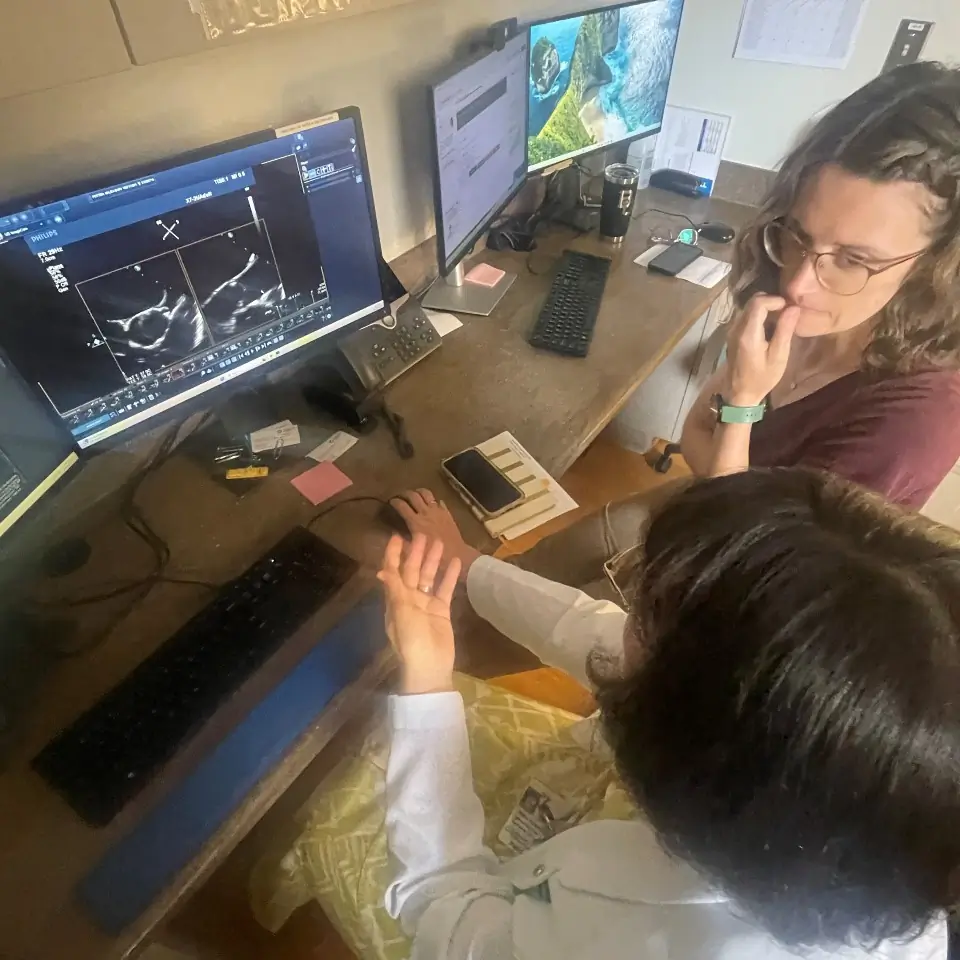
The risk for both increases when a woman gets pregnant over the age of 35. Both conditions can create a higher likelihood of cardiovascular disease later in life.
“I joke with my patients that pregnancy is like a stress test,” Dr. Agoston said. “I look at these risk factors as opportunities to intervene early. If they know they have these risk factors, they can work towards living healthier,” she said.
The risk doesn’t necessarily end with delivery. Postpartum preeclampsia -- when blood pressure rises after birth -- is a serious and often overlooked condition that can develop within the first several weeks after giving birth. It can lead to stroke or death. Follow-up care after delivery is critical for the baby and the mother.
Menopause marks another shift
Menopause is another major life stage that can influence heart health.
“As we go through menopause, our cholesterol profile changes,” Dr. Agoston said.
As hormone levels shift, some of the natural cardiovascular protection women experience earlier in life begins to decline. That can result in higher cholesterol that can damage blood vessels and make it easier for dangerous plaques to form in arteries.
Dr. Agoston emphasized that awareness should start early: By age 21, women should talk with a primary care physician who can provide a heart risk assessment that includes checking cholesterol and blood pressure.
Annual checkups and conversations about family history and lifestyle can help identify potential concerns before they become serious.
Conditions more common in women
There are other heart conditions more likely to affect women.
One is stress cardiomyopathy, also known as Takotsubo cardiomyopathy, which can be triggered by intense emotional stress and may initially resemble a heart attack.
“I’ve seen it in women who went through that because their husband died, and then they were admitted with what they thought was a heart attack,” Dr. Agoston said. “Well, they had a minor heart attack, but the reason for that was they had this stress cardiomyopathy, which is a reversible condition.”
Spontaneous coronary artery dissection (SCAD) is a rare but serious condition that can cause heart attacks in younger women, particularly during or shortly after pregnancy.
In addition, autoimmune and inflammatory conditions -- more common in women -- can increase long-term cardiovascular risk. Conditions like lupus, rheumatoid arthritis and scleroderma should be part of ongoing health discussions.
Prevention should start before symptoms
Not every woman who visits the Women’s Heart Center has an existing condition. Many are focused on understanding and reducing their risk before symptoms appear.
“Some women come to me before they even have any manifestation of a disease, just out of concern because they want to stay healthy,” Dr. Agoston said. “I do a lot of preventative work in my clinic.”
For women in their 40s and beyond, additional tools like coronary calcium scoring can help detect early plaque buildup in the arteries.
“If somebody has a high calcium score, they have coronary artery disease,” she said. “They may not have an obstructive disease, so the plaques may not be obstructing the arteries, but the plaques are there.”
That insight can guide more proactive treatment of cholesterol, blood pressure and other factors to prevent progression.
For Dr. Agoston, the goal is not to create fear, but to encourage action.
“If we educate our community, women will feel empowered to not be afraid to ask questions when they see their doctor -- not just when they are sick, but to prevent being sick,” she said.
Women’s heart health requires earlier attention, greater awareness and care that reflects realities of women’s bodies and lives. From pregnancy to menopause and beyond, understanding those differences can make a critical impact.
Start your journey or learn more at University Health.